取穴部位:第3後仙骨孔部
筋肉:仙棘筋
運動神経:脊髄神経後枝
知覚神経:中殿皮神経
血管:外側仙骨動脈
経絡所属
足の太陽膀胱経(BL経)に属する後谿(こうけい)髎穴のひとつで、足の太陽膀胱経の第3後仙骨孔に位置します。
名前の由来
- 「中」は“穴の中央”を意味し、仙骨孔のうち第1~第4の中間にあたる第3孔を指します
- 「髎」は“骨の孔”を意味し、仙骨にあく孔(せんこつこう)を表しています
取穴部位
- 体位:患者は伏臥位または側臥位
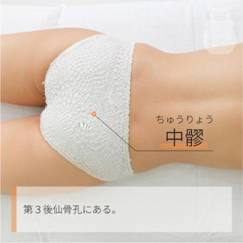
- 位置:仙骨後面、第3後仙骨孔の外縁中央
- 採穴目安:正中仙骨稜(GV2)より左右各3寸、仙骨縫合上
- 臨床ではお尻の割れ目のすぐ外側、骨のくぼみとして触知できます
解剖学的所見
- 表層:皮膚と皮下組織
- 深層:脊柱起立筋、多裂筋の腱膜
- 神経支配:後枝(脊髄神経S3)
- 血管:外側仙骨動脈の枝
- 臓器近傍:仙骨腔を介して骨盤内臓器(膀胱・子宮)に近接
主治・効能
- 泌尿器系
- 排尿困難、頻尿、尿道炎、前立腺肥大
- 生殖器系
- 月経不順、月経痛、帯下異常、インポテンツ、不妊症
- 腰・下肢
- 腰痛、臀部痛、下肢しびれ
- 消化器系
- 便秘
- その他
- 血行不良によるしびれ、皮膚下組織の緊張
刺鍼法
- 清潔操作を行い、患者は伏臥位を基本とします。
- 穴位を軽く消毒後、皮膚に対して垂直に0.5~1寸(約10~20 mm)刺入します。
- 刺入後、軽く捻転または揺動を加え、得気(軽い圧痛、引っ張られる感覚)を誘発します。
- 留鍼時間は10~20分程度が一般的です。
手技的刺激(マッサージ・按按)
- 指圧:ツボを親指または中指で垂直に押圧し、ゆっくりと深く圧をかける
- 回転刺激:圧をかけながら時計回り・反時計回りに小さな円を描くように動かす
- 摩擦:指腹で皮膚を軽くつまみ、前後に擦る
- 各手技は1~2分間継続し、毎回軽い疼痛が誘発されるのを目安に行います
禁忌・注意点
- 仙骨部の感染、皮膚炎を避ける
- 妊娠初期および不安定な妊娠状態では強い刺激を避ける
- 貧血や全身衰弱時は短時間で軽い刺激にとどめる
- 深刺過度の出血、神経損傷に注意
関連穴・組み合わせ
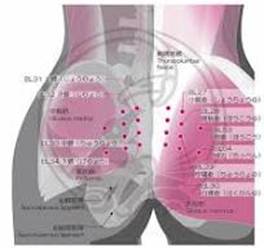 次のステップとして、BL33を用いた簡易セルフケア動画や、仙骨部周辺のストレッチ、骨盤底筋群の強化エクササイズも併せて取り入れると、さらに効果的です。
Benefits of Acupuncture
Direct Benefits
Acupuncture offers pain relief, stress reduction, and supports both physical and emotional well-being by stimulating specific points on the body to modulate neural, hormonal, and circulatory systems.
How Acupuncture Works
- Needle insertion produces micro-injuries that trigger endorphin release, the body’s natural painkillers.
- Stimulation of nerve-rich areas may regulate the autonomic nervous system, impacting heartbeat, blood pressure, and breathing.
- Immune system activation and improved microcirculation support tissue healing and inflammation reduction.
Validated Uses and Conditions
|
【正経十二経脈】 |
足の太陽膀胱経 |
|
【WHO表記・読み方】 |
BL33・中髎(ちゅうりょう) |
|
【取穴】 |
第3後仙骨孔部 |
|
【筋肉】 |
仙棘筋 |
|
【血管】 |
外側仙骨動脈 |
|
【神経】 |
運動神経:脊髄神経後枝 |
|
【効能・効果】 |
腰痛・月経不順 |
|
|
|
|
|
|
|
|
|
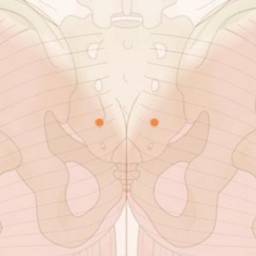
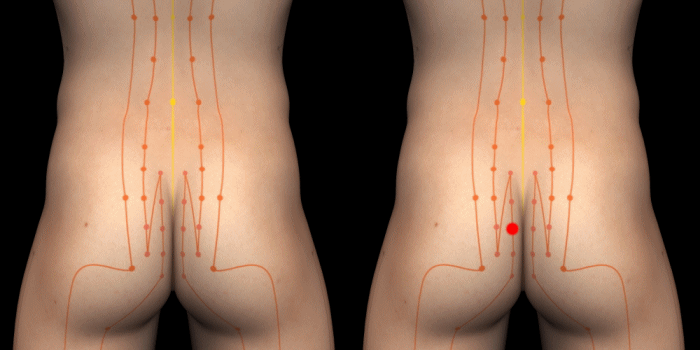
第3後仙骨孔部に取る。
解剖学的データ
|
筋肉 最大の背筋で、脊柱を伸展して屈曲するのを防ぎ、脊柱を起立させる働きがある。脊柱起立筋はさらに、腸肋筋・最長筋・棘筋の3つに分けられる。 |
|
運動神経 脊髄に出入りする末梢神経のことで、頸神経・胸神経・腰神経・仙骨神経・尾骨神経よりなる。脊髄神経の前枝は後頭部・胸部・腹部・上肢・下枝の筋肉や皮膚を、後枝は肩背部・腰部・臀部の筋肉や皮膚を分節的にする。 |
|
知覚神経 第1~第3仙骨神経の後枝から起こり、殿部の知覚を司る神経。 |
|
血管 内腸骨動脈から分岐する動脈で、第4・5腰神経、第1・2・3仙骨神経の神経線根を栄養する。 |
主治・対象疾患
|
|
What to Expect During Treatment
- Sessions typically last 20–40 minutes; an initial course may require 6–12 sessions for noticeable benefits.
- Sterile, single-use needles minimize risk; most patients feel minimal discomfort and occasional mild bruising.
- Some practitioners may apply mild electrical pulses to needles to enhance stimulation; discuss pacemaker status beforehand.
Safety and Side Effects
- Low risk when performed by certified professionals using disposable needles; common side effects include minor bleeding or bruising.
- Avoid in patients with active infections at needle sites or unstable pregnancies; certain points can induce labor and should be used cautiously.
Next Steps for Integration
Consider combining acupuncture with complementary therapies such as manual therapy, mindfulness meditation, or pelvic floor exercises to amplify benefits. Consult a licensed acupuncturist and share your medical history to tailor a treatment plan for your specific condition.
Common Misconceptions about Acupuncture
Myth 1: Acupuncture Is Only for Pain Relief
Many assume acupuncture’s sole benefit is easing aches like back pain or migraines. In reality, clinical studies and practitioner reports demonstrate its efficacy for anxiety, insomnia, digestive disorders, and even fertility issues. Its holistic approach addresses both physical and emotional imbalances, not just nociceptive pathways.
Myth 2: Acupuncture Hurts
The fear of needles leads people to believe acupuncture is painful. Acupuncture needles are ultra-fine—often thinner than a human hair—and most patients feel minimal to no discomfort upon insertion. Typical sensations include mild tingling, warmth, or a dull “achy” feeling, which indicates desirable therapeutic engagement rather than pain.
Myth 3: Acupuncture Is Only Suitable for Certain People
It’s often thought that acupuncture serves only athletes or those with chronic pain. Actually, this therapy spans all ages and health statuses—from infants with colic to seniors managing arthritis. Pregnant women, office workers with stress, and anyone aiming to boost wellness can tailor sessions to their specific needs.
Myth 4: You Must Commit to Long-Term, Frequent Treatments
Prospective patients worry they’ll need weekly visits forever. Treatment frequency depends entirely on the condition’s severity and the individual’s goals. Some acute issues respond after one or two sessions, while chronic or complex cases may benefit from a short course of 6–12 visits. A personalized plan ensures efficiency and avoids unnecessary visits.
Myth 5: All Acupuncturists Are Essentially the Same
Training, licensing, and clinical style vary widely among practitioners. Differences in education (e.g., five-year TCM degree vs. weekend certification), technique (Japanese vs. Chinese style), and additional modalities (moxibustion, electro-acupuncture) mean outcomes and patient experiences can differ. Vetting credentials and asking about specialization is crucial.
Myth 6: Acupuncture Isn’t Safe
Concerns about infections or organ injury persist despite strong safety data. When performed by licensed professionals using single-use, sterile needles, acupuncture’s adverse events are typically limited to minor bruising or transient soreness. Rare complications usually stem from unregulated practice or improper sterilization, not the technique itself.
Want to dispel more myths or explore how acupuncture might fit your health goals? Let’s dive into evidence-based practices, point selections, and how to integrate acupuncture with other therapies for maximum benefit.